Red Chilli Varieties in India: Guntur, Byadgi, Teja — Which Should You Import?
India produces over 1.5 million metric tons of red chillies annually, with dozens of varieties each suited to different culinary and industrial applications. Choosing the right variety is critical for importers. Here is a detailed comparison.
Top Indian Red Chilli Varieties for Export
1. Guntur S4 (Sannam)
- Origin: Guntur, Andhra Pradesh
- ASTA Color Value: 70-90
- Scoville Heat Units (SHU): 15,000-30,000
- Appearance: Medium length, thick skin, deep red color
- Best for: Powder manufacturing, oleoresin extraction, general culinary use
- Export markets: USA, UK, Malaysia, Sri Lanka, Bangladesh
- Harvest season: December to March
- Why it is popular: Balanced heat and color, widely available, competitive pricing
2. Byadgi (Bedgi)
- Origin: Byadgi, Karnataka
- ASTA Color Value: 120-160 (highest among Indian varieties)
- Scoville Heat Units (SHU): 1,000-5,000 (mild)
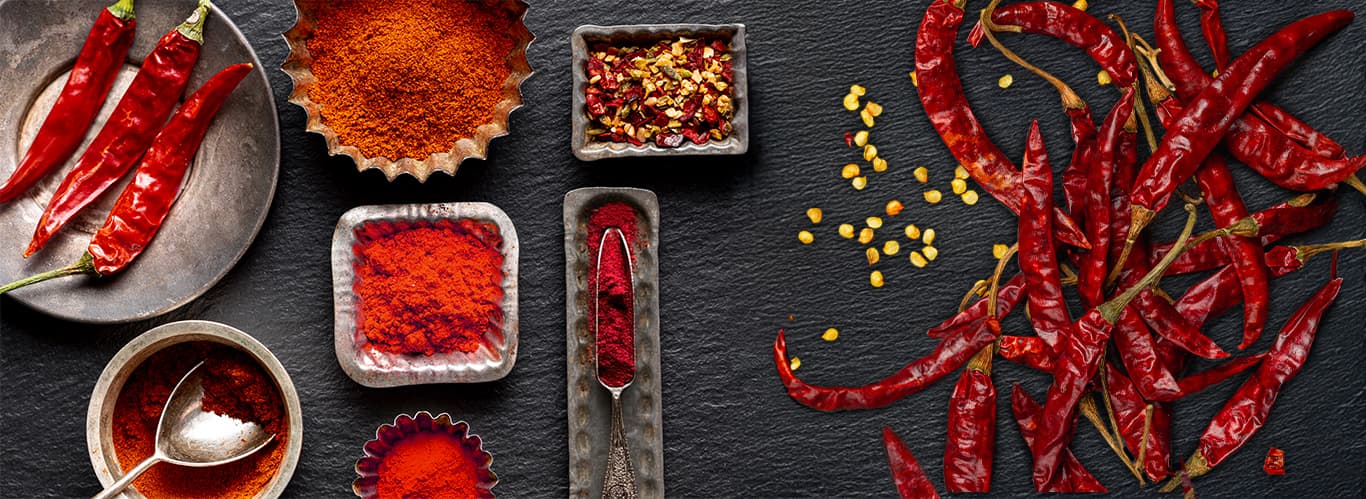
- Appearance: Long, wrinkled, deep dark red
- Best for: Color extraction, food coloring, mild curry blends
- Export markets: Middle East, Southeast Asia, Europe
- Harvest season: January to April
- Why it is popular: Exceptional color with minimal heat — ideal for dishes where color matters more than spiciness
3. Teja (S4 Teja / Kaddi)
- Origin: Guntur and Warangal regions
- ASTA Color Value: 50-70
- Scoville Heat Units (SHU): 40,000-80,000 (very hot)
- Appearance: Short, stout, bright red
- Best for: Hot sauce manufacturing, spicy curry blends, industrial processing
- Export markets: USA, Mexico, Thailand, China
- Harvest season: December to March
- Why it is popular: Highest heat among commercial Indian varieties — sought after by hot sauce manufacturers
4. Wonder Hot
- Origin: Andhra Pradesh
- ASTA Color Value: 40-60
- Scoville Heat Units (SHU): 80,000-120,000 (extremely hot)
- Appearance: Small, very pungent
- Best for: Capsaicin extraction, pharmaceutical use, extreme hot sauces
- Export markets: USA, Europe (pharmaceutical sector)
- Harvest season: January to March
Comparison Table
| Variety | ASTA Color | SHU (Heat) | Best Use | Price Range (per MT) | |---------|-----------|------------|----------|---------------------| | Guntur S4 | 70-90 | 15,000-30,000 | General purpose | $1,200-1,800 | | Byadgi | 120-160 | 1,000-5,000 | Color extraction | $1,500-2,200 | | Teja | 50-70 | 40,000-80,000 | Hot sauces | $1,400-2,000 | | Wonder Hot | 40-60 | 80,000-120,000 | Pharmaceutical | $1,800-2,500 |
Quality Parameters to Check Before Importing
1. Moisture content: Should be below 10% (prevents mold during shipping) 2. Aflatoxin levels: EU limit is 10 ppb — request lab test reports 3. Pesticide residue: Must meet destination country MRL standards 4. Foreign matter: Should be less than 1% 5. Broken percentage: Whole chillies command premium pricing 6. Color uniformity: Mixed colors indicate poor sorting
Packaging Options
- 25 kg PP bags with inner liner: Most common for bulk imports
- Vacuum-packed bags: Premium option, extends shelf life to 18 months
- Carton boxes (5-10 kg): For retail-ready distribution
- Container loading: 20ft holds ~12-14 MT, 40ft holds ~20-22 MT
How to Choose the Right Variety
For food manufacturing: Guntur S4 offers the best balance of color, heat, and price. For color extraction: Byadgi is unmatched — its ASTA value of 120-160 is the highest among Indian varieties. For hot sauce production: Teja or Wonder Hot, depending on target Scoville level. For retail whole chilli sales: Byadgi (visual appeal) or Guntur S4 (versatility).
Export Documentation Required
- Phytosanitary Certificate
- Certificate of Origin
- Aflatoxin Test Report
- Pesticide Residue Analysis
- Commercial Invoice and Packing List
- Bill of Lading
India's red chilli industry is mature and well-organized. The key to successful importing is matching the right variety to your end-use application and verifying quality through independent lab testing.